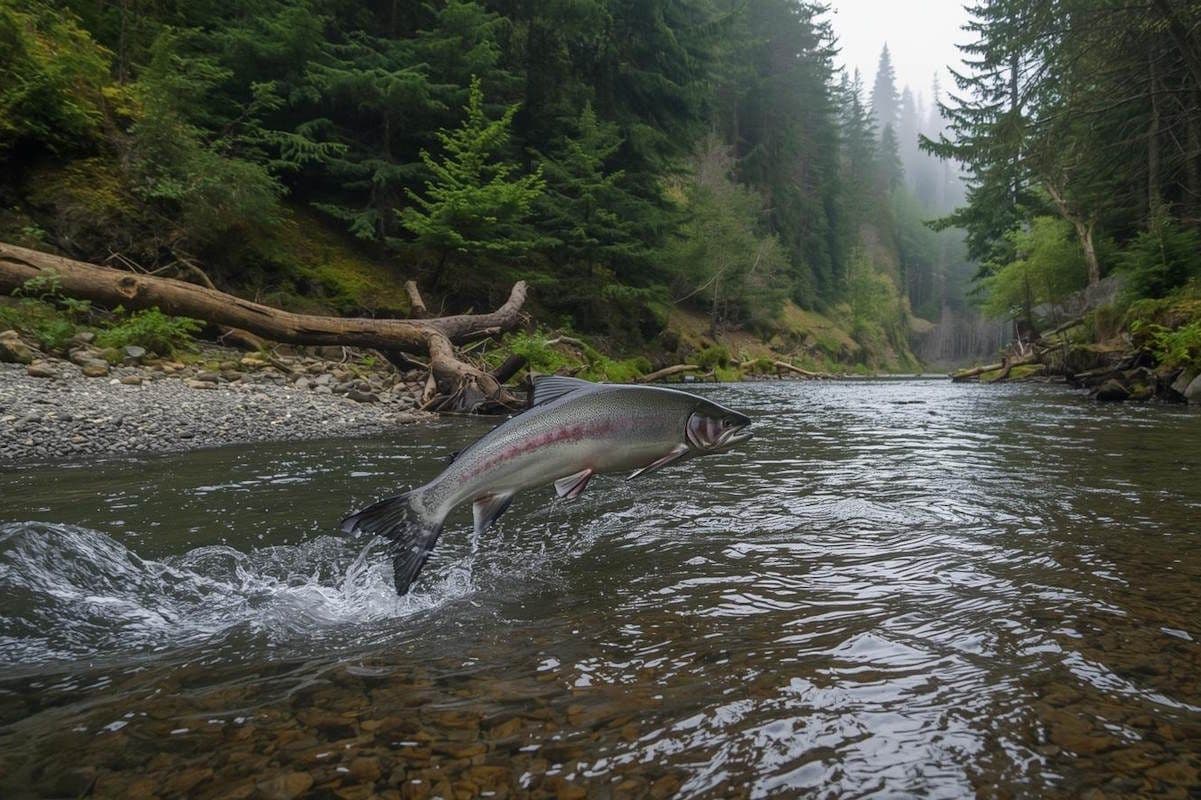
Stream fishing for Coho salmon can be challenging due to their selective feeding habits and tricky water conditions. Choosing the right bait is critical for success. Here’s a quick rundown of 10 effective options:
- Vibrax Spinners: Great for slower currents; sizes 4–6 work well depending on water clarity.
- Steelhead Slammer Spinners: Ideal for deeper pockets and swift currents due to their quick-sinking design.
- Yakima Baits Maglip Plugs: Reliable for fast-moving riffles and calmer pools with consistent action.
- Wiggle Warts & Brad’s Wiggler Plugs: Mimic injured baitfish, effective in deeper pools and slow waters.
- Dick Nite Spoons: Subtle, lifelike action; best for low, clear water.
- Twitching Jigs: Perfect for targeting fish near structures with a rhythmic lift-and-drop motion.
- Floats and Cured Salmon Roe: Natural drift presentation works well in both clear and murky water.
- Shrimp and Spin & Glow: Combines scent and flash, effective in moderate to slow-moving currents.
- Herring and Stuffer Baits: Mimics natural prey; customizable with attractants for better results.
- Fly Fishing Options: Delicate, precise presentation using flies like Woolly Buggers and egg patterns.
As an Amazon Affiliate, I may earn a commission from qualifying purchases.
Quick Comparison
| Bait Type | Best Conditions | Price Range (USD) | Key Features |
|---|---|---|---|
| Vibrax Spinners | Slower currents, moderate clarity | $4–$7 | Flash and vibration attract strikes |
| Steelhead Slammer Spinners | Deep pockets, swift currents | $4–$7 | Quick sinking, minimal snagging |
| Yakima Baits Maglip Plugs | Fast riffles, calm pools | $7.99–$10.99 | Consistent action, versatile |
| Wiggle Warts/Wiggler Plugs | Deeper pools, slow waters | $6–$10 | Mimics injured baitfish |
| Dick Nite Spoons | Low, clear water | $3–$5 | Subtle, lifelike movement |
| Twitching Jigs | Near structures, slower water | $3.99–$5.99 | Lift-and-drop motion |
| Floats & Cured Roe | Clear/murky water, natural drift | $8–$15 (roe) | Natural scent presentation |
| Shrimp & Spin & Glow | Moderate to slow currents | $5–$8 | Combines scent and flash |
| Herring & Stuffer Baits | Pre-spawn feeding periods | $8–$12 | Customizable for scent/visual appeal |
| Fly Fishing | Tight spots, clear water | Varies (flies $2–$5) | Delicate, precise presentation |
The key to success is matching your bait and technique to the conditions. Experiment with sizes, colors, and setups to find what works best in your stream.
Top 10 Coho Salmon Fishing Baits (Do NOT Fish Without #2)
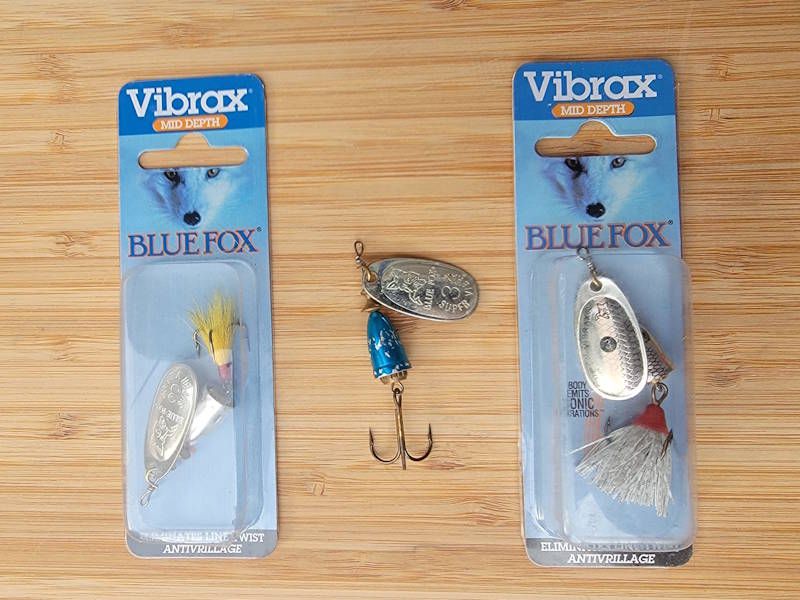 1. Vibrax Spinners
Vibrax Spinners, especially those from the Blue Fox brand, have become a favorite among Coho salmon anglers. Their design generates a combination of vibration and flash that grabs the attention of Coho salmon, making them a go-to choice in rivers where these fish are abundant.
Performance in Stream Conditions
These spinners shine in areas with slower currents and along river edges where salmon pause before moving upstream. In the Pacific Northwest, they’ve proven their worth on iconic river systems like the Skagit, Stillaguamish, Snohomish, Skykomish, and Green Rivers.
Easy to Use and Effective
Using Vibrax Spinners is straightforward: a well-placed cast followed by a slow, steady retrieve is all it takes to present the lure effectively. This simplicity makes them ideal for beginners who might find techniques like twitching jigs or back-trolling plugs more challenging. The slow retrieve gives salmon ample time to spot and strike the lure. Adjusting your approach based on water conditions can further improve your results.
Versatility in Different Water Conditions
For clear, moderate-flow waters, sizes 4–5 work best. In high, murky water, switch to size 6 and experiment with different colors. Adding a small plastic squid to the setup can make the lure even more enticing in heavy currents. This adjustment keeps the spinner’s signature vibration while increasing its appeal, especially when targeting aggressive salmon in larger water systems.
2. Steelhead Slammer Spinners
Steelhead Slammer Spinners bring a handcrafted touch straight from Oregon, featuring a sleek brass body designed for quick sinking. This low-profile construction makes them perfect for targeting Coho salmon in deeper pockets or swift currents.
Performance in Stream Conditions
These spinners shine in situations where controlling depth is key. Thanks to their streamlined brass design, they cut through water efficiently, avoiding the issues bulkier spinners face, like getting swept away or struggling to maintain depth. Their natural wobble and ability to stay close to the bottom make them ideal for reaching Coho salmon in deeper zones.
In slower streams, they sink quickly while maintaining a subtle, fish-attracting wobble. In moderate flows, the current enhances their flash and vibration, often provoking aggressive strikes from active Coho. Even in faster waters, their weight and shape help them stay in the strike zone without drifting off course. Anglers fishing in the Pacific Northwest frequently report better strike rates across rivers with varying depths and currents. Plus, their design minimizes snagging, especially in rocky, fast-moving streams.
Versatility for Coho Salmon Fishing
These spinners are as versatile as they are effective. Whether casting upstream or drifting downstream, they perform well in riffles, runs, and pools. They’re particularly useful for targeting Coho salmon holding near structures or in deeper waters. All it takes is a steady retrieval to keep the blade spinning and drawing attention – no special setups or techniques needed.
With prices ranging from $4 to $7 USD, they offer great value for their quality and reliability. Many seasoned anglers suggest carrying a variety of sizes and colors to adapt to different water conditions. For murky water, brighter colors can grab attention, while natural tones like silver, gold, or copper tend to work best in clear streams.
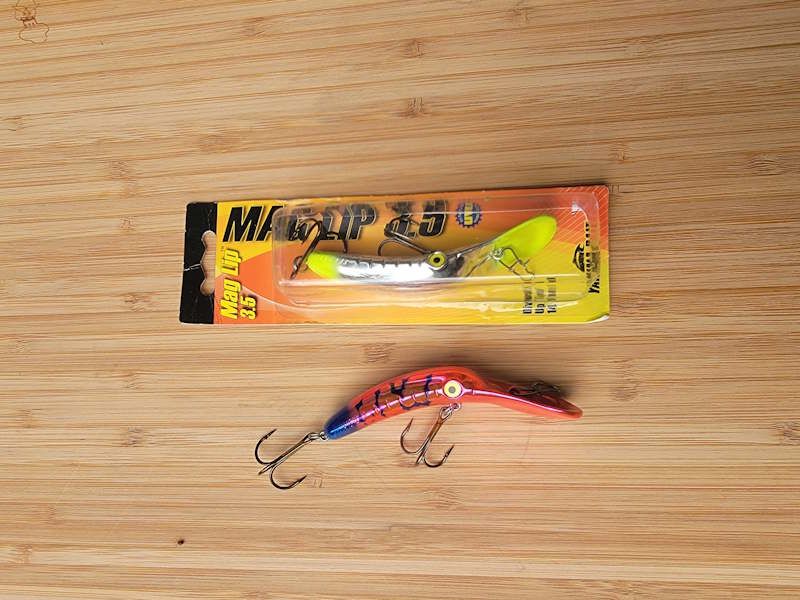 3. Yakima Baits Maglip Plugs
When it comes to stream fishing for Coho salmon, Yakima Baits Maglip Plugs are a go-to choice for many anglers. Known for their precision design and consistent performance, these plugs are built to handle a variety of water conditions, making them a reliable option for stream fishing.
Performance in Stream Conditions
The Mag Lip 3.5 stands out as a favorite among seasoned anglers, thanks to its ability to adapt to different water conditions. Its specially designed lip ensures the plug dives quickly and maintains a steady wobble, whether you’re fishing in fast-moving riffles or calmer pools. This design not only keeps the plug tracking straight but also ensures it stays effective regardless of current speed. This is especially useful when dealing with fluctuating water levels, as it allows the lure to stay at the right depth where Coho salmon tend to hold.
Whether you’re fishing tidal stretches or upstream sections, the Maglip Plug’s consistent action saves you time. Instead of constantly adjusting your setup, you can focus on fishing – an essential advantage when the window for catching Coho can be so brief. Its track record of reliability in varying river conditions makes it a trusted tool for anglers.
Versatility and Simple Setup
Maglip Plugs shine in their versatility. They perform well with different techniques, including back-trolling in river currents, flat-lining, or casting into deeper pools. For those looking to add an extra edge, the Mag Lip 4.0 – offering a larger profile – can be paired with a sardine fillet wrapped around its belly. This not only adds scent but also mimics a natural food source, increasing its appeal to Coho.
One of the key features of these plugs is their simplicity. Designed for easy use, they’re suitable for both beginners and experienced anglers. The direct line tie minimizes tangles and snags, which is a big plus when fishing in streams with woody debris or uneven bottoms. The 3.5 size excels in moderate to fast currents, while the 4.0 is better suited for slower, deeper pools. High-water conditions call for larger sizes and brighter colors, whereas low, clear water is better tackled with smaller plugs in natural tones to avoid spooking the fish.
At a price range of $7.99 to $10.99 USD per plug, Maglip Plugs offer a solid combination of affordability and performance, proving their worth across a wide range of stream fishing scenarios.
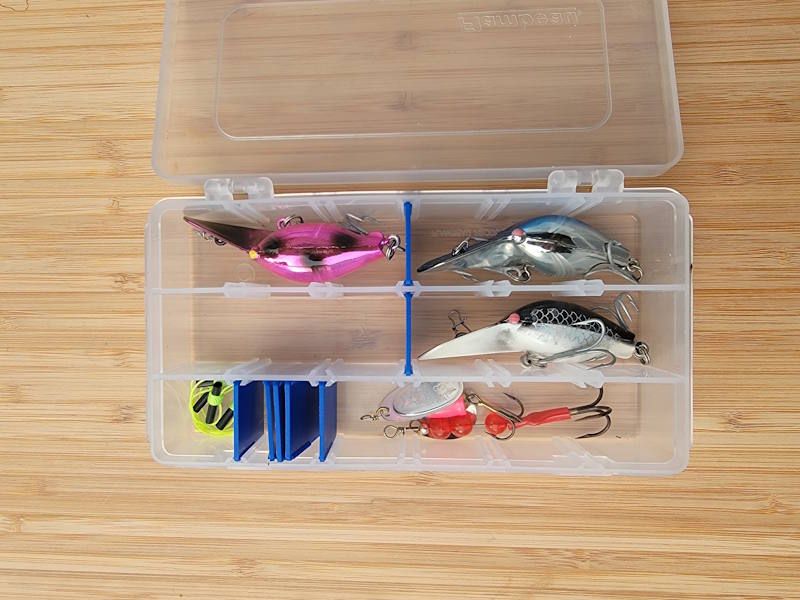 4. Wiggle Warts & Brad’s Wiggler Plugs
When it comes to fishing for Coho salmon in Pacific Northwest streams, Wiggle Warts and Brad’s Wiggler Plugs are top-notch choices. Their unpredictable diving and wobbling action closely resembles the movement of injured baitfish, which Coho salmon find irresistible. These plugs not only deliver an effective presentation but are also straightforward to use, making them a go-to option for stream fishing in various conditions.
How They Perform in Streams
These plugs shine in the diverse conditions typically found in streams. Their erratic wobble and diving motion work wonders in deeper pools, slow-moving waters, and even those quiet "dead zones" where salmon often linger during the fall migration. Local anglers consistently praise these lures for their ability to draw strikes when other options fail to deliver.
Versatility in Coho Fishing
One of the most impressive aspects of these plugs is how adaptable they are. Whether you’re trolling, back-trolling, or casting, they can be adjusted to suit the specific stream conditions you’re working with. Back-trolling, in particular, is a popular technique, as it allows you to systematically cover prime fishing spots while keeping the lure at the perfect speed and depth.
Effective Across Water Flows
What sets these plugs apart is their ability to perform well in both fast and slow water. In stronger currents, they dive deeper and maintain their enticing action, while in slower pools, their subtle movements are just enough to tempt Coho without spooking them. This adaptability makes them a reliable choice, especially during the unpredictable river conditions of the fall season.
Easy to Use and Customize
Using these plugs is as simple as tying them directly to your mainline or attaching them with a snap swivel for quick changes. For the best results, try a steady retrieve or mix it up with some varied movements. In murky water, opt for bright-colored plugs, while natural patterns are better for clear streams. Want to up your game? Add a touch of scent or a small piece of sardine fillet to make the lure even more appealing, especially in areas with heavy fishing pressure. Available in sizes ranging from 2 to 3 inches, smaller plugs are ideal for clear water, while larger ones excel in cloudy or turbid conditions.
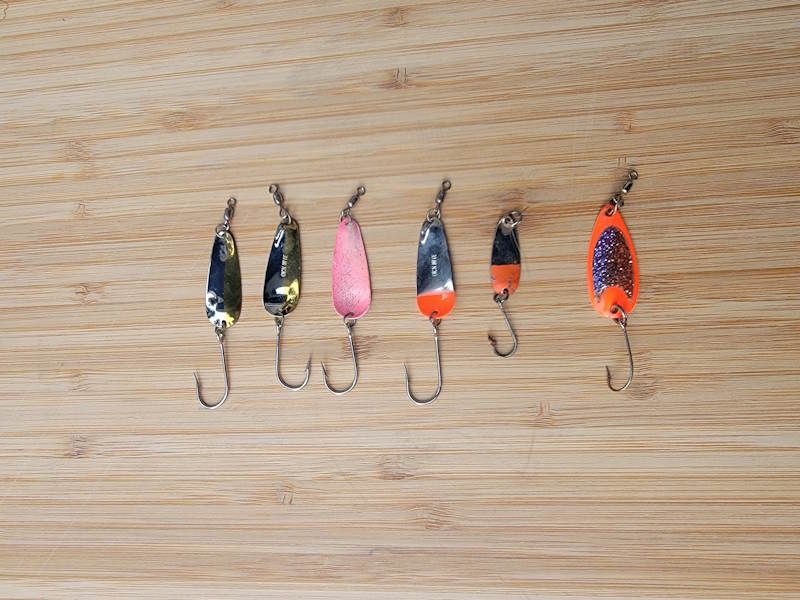 5. Dick Nite Spoons
If you’re looking for a more subtle option than the larger lures we’ve discussed, Dick Nite Spoons are a solid choice. These compact spoons stand out when other lures fall short. Their smaller size and gentle movement are less likely to spook cautious fish, making them a favorite for tough conditions, particularly in the lower stretches of rivers. Their lifelike action makes them a reliable option in a variety of stream environments.
Performance in Stream Conditions
Dick Nite Spoons are particularly effective in challenging stream conditions, especially when Coho salmon become picky. Anglers in the Pacific Northwest have seen great success with these spoons in rivers like the Skagit, Stillaguamish, Snohomish, Skykomish, and Green. They truly shine in low, clear water where larger, more aggressive lures might scare fish away.
What makes them so effective? Their natural and subtle movement. Unlike spinners or plugs that can be too aggressive, these spoons mimic a non-threatening, easy meal. This makes them a go-to option when you’re dealing with those frustrating days where you can see the fish but can’t seem to get a bite.
Easy to Use and Present
Using Dick Nite Spoons is straightforward, but a finesse approach works best. Drift fishing with light lead and a 4-foot leader is the most effective setup. This allows the spoon to move naturally with the current while avoiding excessive spinning, which can ruin its presentation.
To fish them, cast out and let the weight settle. Then, use a gentle twitch paired with an ultra-slow retrieve. The goal is to maintain the spoon’s subtle flutter, which Coho salmon find irresistible. Bright fluorescent colors like pink, orange, and chartreuse work well in all water conditions, giving you great flexibility without needing to carry a massive variety of patterns.
Versatility in Different Water Flows
One of the standout features of Dick Nite Spoons is their ability to perform in various water conditions. They work best in slow to moderate flows, where their subtle action feels just right. In slower waters, where other lures might come off as too aggressive, these spoons provide a perfect, understated presentation. They’re ideal for fishing pools, back eddies, or along the edges of main currents, where Coho often pause during their migration.
In faster currents, you can cast out and let the spoon swing naturally through promising spots. And if the fish are particularly stubborn, try adding a small hootchie skirt to the spoon for extra appeal.
A Multi-Purpose Tool for Coho and More
While Dick Nite Spoons are best known for targeting Coho salmon, their versatility makes them effective for other species like Steelhead and trout. This adaptability makes them a great addition to your tackle box when you’re fishing for multiple types of fish.
They also excel when fished near structure, such as wood, root wads, and submerged trees, where Coho often lie in wait to ambush prey. Thanks to their small size, these spoons can navigate tight spaces without snagging, while their enticing action draws strikes from even the most hesitant fish.
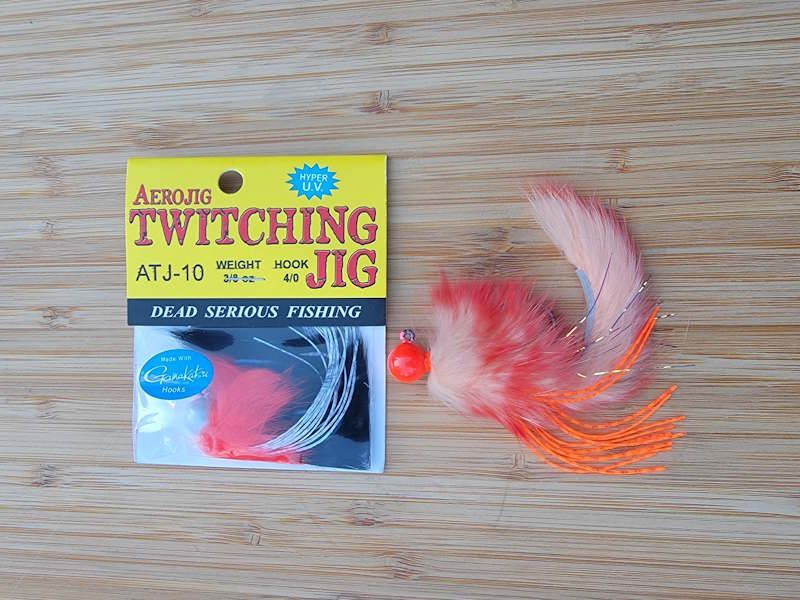 6. Coho Salmon Twitching Jigs
When Coho salmon get picky or stick close to structures, twitching jigs can be a game-changer. These lures use a lift-and-drop motion that mimics the movement of injured prey, often provoking aggressive strikes.
Performance in Stream Conditions
Twitching jigs shine in tough stream environments, especially when fish are hanging around woody structures or lingering in slower water along the riverbanks. Their rhythmic up-and-down action creates an irresistible presentation, even for cautious fish. For example, during fall runs on Washington’s Skykomish River, anglers often find success using this method in areas with submerged logs and slow-moving side channels. Typically, 3/8‑ounce and 1/2‑ounce jigs are the go-to sizes for most stream conditions. Among the favorites are the Aerojig Rabbit Salmon Twitching Jig, known for its lifelike rabbit fur body, and the Aerojig Death Jig, which combines perfect weight with vibrant action.
Simple Use and Presentation
One of the best things about twitching jigs? They’re incredibly easy to use. This simplicity makes them ideal for beginners but no less effective for seasoned anglers. To use, cast your jig, let it sink, and then give it a sharp upward twitch before allowing it to fall. Keeping a steady rhythm, with the occasional pause, often triggers a strike as the jig drops. Bright colors like pink or chartreuse are particularly effective, as they boost visibility and attract more attention from the fish.
Adaptability to Different Water Flows
Twitching jigs are versatile enough for a variety of water conditions. In faster currents, heavier jigs (1/2‑ounce) are better for maintaining bottom contact, while lighter options (3/8‑ounce) create a gentler action in slower pools. Focusing on areas near submerged logs or overhanging branches – where Coho salmon like to hide – can significantly improve your odds.
Aerojig models, popular among anglers, are priced between $3.99 and $5.99, offering great durability and performance. When other methods aren’t delivering, having a few twitching jigs in your tackle box could turn a slow day into a memorable one.
sbb-itb-c29b239
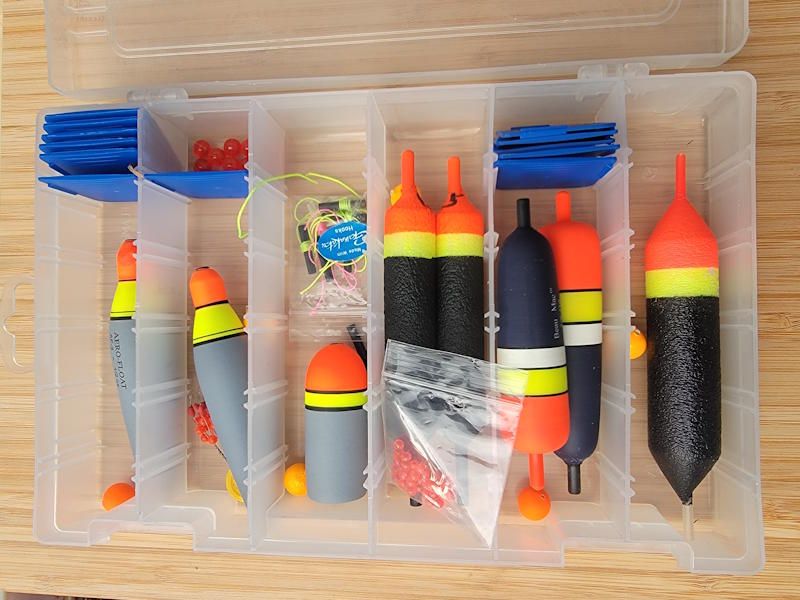 7. Floats and Cured Salmon Roe
When other baits fall short, combining a float with cured salmon roe can be a game-changer. This setup offers a natural presentation that aligns well with the techniques already discussed. It’s a reliable choice for targeting Coho salmon in streams.
Why It Works in Streams
Floats paired with cured roe excel in stream fishing because they allow the bait to drift naturally in the current – right above the streambed where Coho tend to feed. The float’s buoyancy keeps the bait from snagging on rocks or debris, while the cured roe’s scent and appearance attract salmon in both clear and slightly murky water. This method shines during the fall migration when salmon are heading upstream. The key is to adjust your rig for a natural drift that mimics the flow of the stream.
Simple Setup and Presentation
One of the best things about this method is how straightforward it is to set up, making it accessible for anglers of all experience levels. Here’s what you’ll need:
- A medium-action rod
- A reliable reel
- 8–12 lb test line
- A float
- Small weights
- A swivel
- A properly sized hook
Thread the cured roe onto the hook, and adjust the float so the bait drifts just above the streambed. This ensures the rig moves naturally with the current, avoiding drag or unnatural movement. Vacuum-packed cured roe, priced between $8 and $15 per jar (4–8 oz), is convenient and effective. For best results, match the roe size to water conditions: smaller clusters for clear, low water and larger ones for higher, stained flows.
Adapting to Different Water Conditions
To maximize success, tweak your rig based on the water’s flow. Adjust the float depth and weights to ensure the roe drifts naturally in faster currents and maintains a subtle presentation in slower pools. This flexibility increases your chances of enticing even the most cautious Coho.
Using high-quality swivels and keeping leader lengths between 18 and 24 inches helps minimize tangles. Regularly check and refresh your roe to maintain its effectiveness throughout the day.
Many experienced guides swear by cured roe as their go-to bait, especially when Coho are being picky or other methods aren’t working. This time-tested combination is a dependable option, particularly on challenging fishing days, and it complements other stream fishing strategies seamlessly.
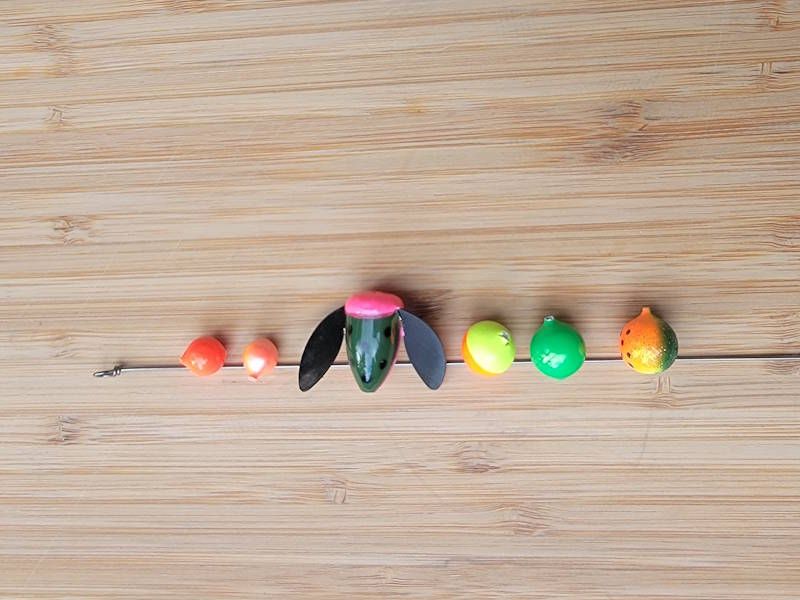 8. Shrimp and Spin & Glow
Pairing shrimp – whether fresh or cured – with a Spin & Glow blade is a go-to method for attracting Coho salmon in moderate to slow-moving currents. The shrimp’s natural scent and texture, combined with the subtle flash of the Spin & Glow, create an irresistible mix, even when water conditions aren’t ideal. This combination works particularly well in calmer areas where salmon tend to hold and feed, making it an effective choice for anglers targeting these zones.
Why Anglers Love It
This setup is popular because it’s both straightforward and reliable. While anglers may tweak their rigs to suit specific conditions or preferences, the shrimp and Spin & Glow combo remains a dependable option for stream fishing. Its ease of use and versatility make it a favorite for increasing the odds of hooking Coho salmon.
 9. Herring and Stuffer Baits
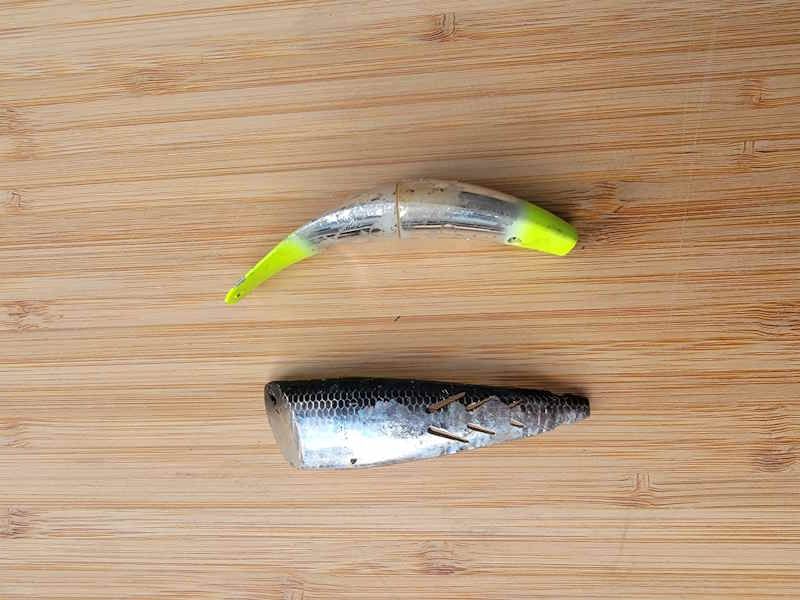
This section delves into the use of herring and stuffer baits, focusing on how they provide a natural presentation that Coho salmon find irresistible. Since herring is a core part of the Coho diet in both ocean and river environments, these baits tap into the fish’s natural feeding instincts. Unlike the mechanical motion of spinners and plugs, herring and stuffer baits mimic the real thing, making them highly effective.
Performance in Stream Conditions
Herring and stuffer baits shine when Coho salmon are feeding actively before spawning. During times when the fish become more selective or less aggressive, these baits can be game-changers. Fresh or cured herring works particularly well, as its natural oils and scent amplify its appeal. This makes them an excellent choice when other lures fail to entice bites.
Stuffer baits take things a step further by allowing anglers to customize them with shrimp, salmon eggs, or specially scented attractants. This adaptability is incredibly useful for matching local forage or addressing specific water conditions where a little extra enticement is needed.
Multiple Uses for Coho Salmon
What makes herring and stuffer baits so effective is their versatility. These baits work across a variety of fishing techniques in stream environments. Whether you’re drifting through deeper pools, plunking in slower currents, or trying modified trolling in wider sections of a stream, these baits offer a natural presentation that adapts to different scenarios.
On the Oregon Coast, anglers have reported higher catch rates using stuffer baits filled with shrimp or salmon eggs compared to traditional lures. (Source: Oregon Fishing Forum, 2023)
Simple Use and Presentation
Rigging herring and stuffer baits is straightforward but delivers impressive results. The goal is to replicate the movement of injured or dead baitfish, which Coho are naturally drawn to. A subtle flash or scent can enhance visibility without overpowering the bait’s natural appeal.
To get the best results, adjust the size of the bait to match the water conditions. Smaller baits are ideal for slow-moving water, while larger ones perform better in faster currents. This natural drift presentation often triggers strikes from even the most cautious fish.
Works in Different Water Flows
Another advantage of herring and stuffer baits is their ability to perform well in varying water flows. In slower pools, their natural scent and gentle movement attract fish without alarming them. In faster currents, their weight and profile maintain a lifelike presentation.
For tougher conditions, adding extra attractants can make a big difference. This customization allows anglers to adapt to changing water conditions or shifts in fish activity throughout the day, keeping these baits effective no matter the scenario.
10. Fly Fishing Options
Fly fishing offers a more delicate and precise way to target Coho salmon in streams. Unlike heavier lures, it creates less disturbance and mimics the natural prey of these fish. This approach is particularly handy in tight spots or around structures where Coho often gather, making it a flexible and effective choice during the salmon run.
Performance in Stream Conditions
Fly fishing shines in various stream environments by allowing anglers to adapt fly patterns and techniques to match water conditions. In fast-moving streams, weighted flies or sink-tip lines help you reach the strike zone near the bottom. For slower or clearer waters, smaller, more natural patterns are ideal to avoid startling the fish. Effective fly options include egg patterns, nymphs like the Prince Nymph or Stonefly, and streamers. Water clarity matters: bright colors like pink, chartreuse, or orange are great for murky water during the fall run, while natural tones work best in crystal-clear conditions.
Versatility for Coho Salmon
One of the strengths of fly fishing is its ability to adapt to different stream scenarios. Whether you’re casting lightly weighted flies into shallow riffles or using heavier patterns for deeper pools, you can easily adjust your approach to match changing conditions. Early mornings and late evenings are prime times to fish, as Coho tend to be most active during these hours.
Simple Techniques That Work
Classic fly choices like Woolly Buggers, Flash Flies, and Marabou streamers are popular because they’re straightforward and effective. The key to success lies in achieving a natural drift or a slow retrieve that keeps the fly just above the bottom, where Coho tend to hold. Casting upstream and letting the fly drift naturally into pools or undercut banks is a reliable technique. Floating lines paired with weighted flies or sink-tip lines help control depth and reduce the risk of snags, making fly fishing a valuable addition to your Coho fishing strategy.
Effective in Different Water Flows
Fly fishing is effective across various water flows, provided you adjust the fly weight and presentation. In faster currents, heavier flies or sink-tip lines are essential for reaching fish near the bottom. In slower pools, lighter flies are less likely to alarm wary salmon. A 7- to 9-weight rod, a reel with a strong drag system, and versatile fly lines are ideal for this type of fishing. Leaders in the 8–12 lb range are recommended to handle the powerful runs of Coho salmon. Compared to traditional bait rigs, fly fishing is less prone to snagging on rocky or debris-filled stream beds, making it an excellent tool for anglers navigating challenging waters.
 Bonus Bait – Plastic Worms
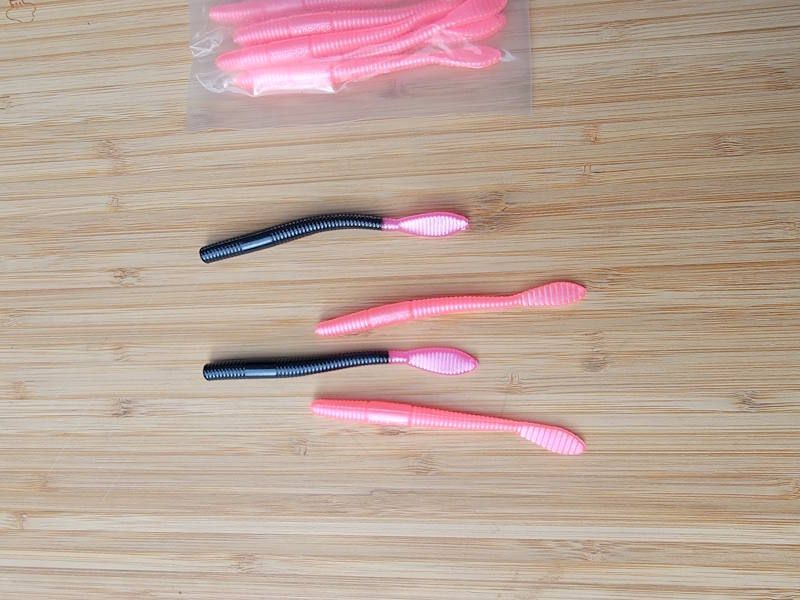
Don’t sleep on the plastic worm. Sure, plastic worms are a go-to for steelhead and bass fishing, but here’s what many anglers miss: a plastic worm rigged on a light jig head is absolutely deadly for salmon. Load up with coho-friendly colors like pink or orange sherbet, and you’ll see what I mean.
One of the most effective presentations is suspending this setup under a float, positioned 6 to 10 inches off the bottom. This keeps your bait in the strike zone where salmon are actively feeding, while the subtle action of the worm creates an irresistible target. The float also gives you excellent bite detection—when that bobber dips or shoots under, it’s game on.
You can grab pre-made worm jigs off the shelf, but customizing your own is ridiculously simple and lets you dial in exactly what you need. Just cut the worm in half and slide it onto your favorite jig head—whatever color and size you prefer. A 1/16 to 1/8 oz jig head typically works best for this setup, giving you enough weight to get down but light enough to maintain that natural, enticing action in the current.
Once you’ve got the worm positioned just right, add a tiny drop of super glue on the cut edge. This keeps it locked firmly against the jig head so it won’t slip during your retrieve or when you’re fighting a fish. The last thing you want is your bait sliding down the hook shank when a coho smashes it.
Tips for Avoiding Snags and Better Presentation
Fishing for Coho requires a fine balance between keeping your bait enticing and avoiding snags. Adjusting your techniques to suit water conditions and stream structures can make all the difference. Here are some practical tips to help you maintain a clean presentation while minimizing tangles and snags.
Line Selection:
Opt for lighter lines in the 8–12 lb test range. These are less likely to get caught on underwater debris and offer a more natural look, especially in clear or low-water conditions.
Proper Rigging:
When drift fishing with spoons like Dick Nite Spoons, use a light lead weight paired with a 4-foot leader to reduce tangles. For float setups, adjust your bobber stop and weights to keep the bait slightly off the bottom. Once your rig is set up, precise casting becomes essential.
Retrieval Speed Adjustments:
Control your retrieval speed based on the conditions. A slower retrieve keeps your lure in the strike zone longer, while a faster retrieve can help lift it over obstacles. This approach works particularly well with lures like Vibrax Spinners and Dick Nite Spoons in slow-moving currents.
Casting Techniques:
Casting upstream and allowing your lure to drift naturally with the current can help you avoid snagging it on underwater structures. Whether you prefer overhead or sidearm casting, accuracy is key for reaching productive spots under overhanging branches or near woody debris.
Targeting the Right Areas:
Instead of casting directly into heavy cover, focus on open water near structures. Look for pool edges, current seams, and the downstream sides of boulders – these areas often hold Coho and allow for a cleaner presentation. If you’re using twitching jigs near woody structures, try a lift-and-fall motion to keep the jig above potential snags.
Float Fishing Setups:
For water deeper than 4 feet, a ½–1 oz bobber can keep your bait suspended above bottom debris. This technique works particularly well with natural baits like cured salmon roe, allowing them to drift naturally through the strike zone.
Equipment Maintenance:
Regularly check your knots, leaders, and hooks to avoid losing fish or tackle. High-quality swivels and loop knots can help reduce tangles, and barbless hooks make it easier to free your bait if it does get snagged.
Adapting to Water Conditions:
In clear, slow-moving water, use lighter setups to avoid spooking fish. For faster or murkier water, heavier presentations might be needed, but ensure your bait doesn’t drag along debris.
Conclusion
Catching Coho salmon in streams comes down to one key principle: matching your bait and technique to the conditions in front of you. The ten bait and lure options discussed here each excel in specific scenarios – whether it’s Vibrax Spinners for moderate currents or Dick Nite Spoons when the water is low and clear. Understanding when and how to use each can make all the difference in your success.
Sometimes, even small changes in your bait or approach can trigger strikes, particularly in challenging conditions like heavily pressured waters or during low flows. That’s why it’s smart to carry a variety of bait sizes, colors, and styles. This allows you to adapt to changes in water clarity, temperature, or the mood of the fish. Many anglers are increasingly turning to finesse techniques, such as twitching jigs or smaller, subtler lures, as Coho salmon in popular streams become more selective.
The water itself often dictates your strategy. Fast, murky streams may call for bright, bold lures, while slow, crystal-clear water is better suited for natural baits or smaller spoons. And don’t overlook the importance of avoiding snags – choosing the right line and perfecting your casting technique can save you time and frustration.
Local knowledge is another game-changer. Tapping into advice from trusted sources like Fishing Weekend Warrior can help you fine-tune your approach with specific tips on bait, gear, and local conditions. Experienced anglers often know the subtle tricks that can turn a slow day into a successful one.
Ultimately, consistent success with Coho salmon comes down to observation and adaptability. Pay attention to what’s happening around you – water conditions, fish behavior, and even what’s working for other anglers. Be ready to tweak your setup throughout the day. Whether that means adding a Spin & Glow to your herring rig or experimenting with spoon retrieve speeds, staying flexible is key. The best Coho anglers are those who embrace change and are always willing to try something new.
FAQs
What should I consider when selecting bait for Coho salmon in streams?
When fishing for Coho salmon in streams, selecting bait that resembles their natural diet and suits the water conditions is key. Salmon eggs, small spinners, and spoons are go-to choices for many anglers. In murky water, brightly colored lures – like orange, pink, or chartreuse – tend to grab their attention.
To minimize tangles and snags, stick with lighter tackle and keep a steady retrieval speed. Be mindful of the current and adjust your casting angle so the bait moves in a way that feels natural to the fish. Trying out different baits and techniques can help you figure out what works best in the specific stream you’re fishing.
What are the best baits for Coho salmon in streams, and how can I avoid snags while fishing?
When targeting Coho salmon in streams, some of the most effective baits are salmon eggs, spinners, and plugs. Bright colors like orange, pink, and chartreuse tend to grab their attention. If you’re using bait, cured roe is a tried-and-true option that Coho salmon simply can’t resist.
To minimize snags, aim your casts near structures like submerged rocks or logs, but steer clear of getting too close. Tools like a slip float rig or weedless hooks can help reduce tangles. Keep your line tight so you can quickly detect bites, and experiment with your casting angle and retrieve speed to work around obstacles while keeping your bait in the prime strike zone.
What are the best baits and techniques for catching Coho salmon in streams, and how can I adapt to different conditions?
When you’re fishing for Coho salmon in streams, adapting your bait and technique to the conditions can make all the difference. These fish have a strong attraction to brightly colored lures such as spinners, spoons, or jigs in shades like orange, pink, and chartreuse. If you prefer natural bait, cured salmon eggs or shrimp are excellent choices.
Pay attention to water clarity and flow when deciding on your approach. In clear water, smaller and more natural-looking lures or bait work well to avoid scaring the fish. On the other hand, murky water calls for larger, flashier lures that can grab their attention. To minimize snags in rocky streambeds, try using a slip float rig or cast upstream and retrieve slowly, keeping your bait just off the bottom.
Don’t hesitate to tweak your retrieval speed and depth. Coho salmon can be picky, and their behavior often changes with the time of day or weather conditions. By experimenting and staying flexible, you’ll boost your chances of reeling in one of these sought-after fish.