
The lifecycle of salmon is a journey through five stages – egg, alevin, fry, smolt, and adult – spanning freshwater and ocean habitats. Each phase presents unique challenges and transformations, shaping their behavior, survival, and interactions with their environment. For anglers, understanding these stages is key to predicting migration patterns, feeding habits, and fishing techniques. Conservation efforts, such as protecting spawning habitats and practicing responsible fishing, are crucial to ensuring salmon populations thrive.
Key takeaways:
- Egg Stage: Females lay eggs in gravel nests (redds) in cold streams. Survival depends on clean, oxygen-rich water and stable conditions.
- Alevin Stage: Newly hatched salmon remain in gravel, nourished by yolk sacs, until ready to emerge.
- Fry and Parr Stage: Young salmon feed and grow in freshwater, facing threats like predators, habitat loss, and poor water quality.
- Smolt Stage: Salmon undergo physiological changes to prepare for saltwater life and begin their migration to the ocean.
- Adult Stage: In the ocean, salmon grow rapidly, feeding on fish and crustaceans, before returning to their birthplace to spawn and complete the cycle.
Both Chinook and Coho salmon have distinct lifecycles, diets, and migration patterns, offering diverse fishing opportunities. Conservation challenges, such as habitat loss and climate change, highlight the importance of responsible practices to protect these species and the ecosystems they support.
Salmon Lifecycle
Egg Stage: Where Life Begins
The salmon’s journey starts in cold, flowing streams, where female salmon carefully prepare safe places for their eggs. Let’s dive into how these eggs are deposited and protected in their earliest stage of life.
Spawning and Nest Building
When female salmon return to the streams where they were born, they use powerful tail movements to carve out bowl-shaped depressions in the gravel, known as redds. These spots are carefully chosen for their steady water flow and gravel composition, which help oxygenate the eggs and remove waste. Once the redd is ready, the female lays her eggs, and a male fertilizes them. Afterward, the female covers the eggs with a layer of gravel, creating a natural shield against predators and environmental disruptions. In many regions, this spawning process happens in autumn, timed perfectly with water conditions that support egg development.
Water Conditions for Egg Survival
The survival of salmon eggs depends heavily on specific environmental factors. Clean, oxygen-rich water flowing through the gravel is crucial, as it delivers the oxygen needed for development and removes waste. The gravel itself plays a vital role, with the ideal mixture allowing water to circulate freely while still protecting the eggs from sediment and physical harm.
Balanced water chemistry is another key factor. If conditions like water temperature, oxygen levels, or gravel composition stray too far from the ideal, the chances of egg survival drop significantly.
Egg Survival Rates and Challenges
Only a small fraction of salmon eggs make it to the next stage of life. Predators, disease, and natural disturbances like flooding all take a toll. Human impacts, such as habitat degradation, pollution, and increased sedimentation, add even more challenges.
The survival rate of these eggs is a major factor in the overall salmon population. Even a small number of fry emerging from a spawning event can signal success, highlighting the importance of maintaining high-quality spawning habitats. For anglers and conservationists alike, understanding these early hurdles not only deepens respect for the salmon lifecycle but also emphasizes the need for responsible conservation efforts. These early struggles set the stage for the salmon’s next phase: the alevin stage.
Alevin Stage: Growing in Gravel
After hatching, salmon enter the alevin stage, where they remain hidden in gravel, nourished by their yolk sacs. This phase is a crucial foundation for their survival as they prepare to venture into open water.
From Egg to Alevin Development
When salmon eggs hatch, the tiny fish that emerge are known as alevins. These hatchlings carry yolk sacs attached to their bellies, which act as their sole source of nutrition during this early stage. Safely tucked away in the gravel beds of their birth redd, alevins rely on this nutrient reserve while their bodies develop. During this time, their organs and fins take shape, and their digestive systems prepare for external feeding.
The length of the alevin stage depends on water temperature, lasting anywhere from a few weeks to several months. Cooler water slows their growth, which can actually be beneficial by producing stronger, more resilient fish. For anglers and conservationists, understanding this stage is key, as the quality of alevin development has a direct impact on salmon survival rates and population health. As these young fish grow, their ability to withstand environmental pressures becomes critical for their journey ahead.
Alevin Survival Challenges
The survival of alevins is heavily influenced by environmental conditions. Water temperature is a major factor – studies on similar salmonid species suggest that the ideal incubation range is between 37–43°F (3–6°C). Survival rates drop significantly at higher temperatures, with probabilities declining from 0.78–0.97 at cooler ranges to just 0.65–0.73 when water is consistently at 54°F (12°C).
Water quality is equally important. Dissolved oxygen levels should remain at or above 70% saturation to support healthy alevins. High concentrations of un-ionized ammonia – above 0.01 mg/L – can cause significant mortality, and pH levels outside their tolerance range can stress or even kill the young fish before they emerge from the gravel.
Because alevins are confined to the gravel, they have no way to escape poor conditions. They must endure until their yolk sacs are fully absorbed, making stable water temperature and quality absolutely essential. This hidden yet critical phase lays the groundwork for the salmon’s transition into active freshwater life, shaping their chances of survival in the wild.
Fry and Parr Stage: Freshwater Growth
After using up their yolk sacs, young salmon emerge from the gravel, ready to start feeding and growing rapidly.
Emerging and Learning to Feed
Once alevins deplete their yolk sacs, they become fry and make their way out of the gravel into open water. This process usually happens between late winter and early summer, depending on the species and local water temperatures. Timing is everything – fry need to emerge when food is abundant and conditions are favorable for survival.
At this stage, fry are about 1 inch long and begin feeding on zooplankton, insect larvae, and tiny crustaceans. As they grow, their diet expands to include larger prey like mayfly nymphs, caddisfly larvae, and midge larvae. To thrive, fry must quickly develop strong foraging skills, as they need to secure food while avoiding predators.
Fry take advantage of currents that bring food their way and times of peak insect activity. Their feeding behaviors vary by species, which influences their growth rates and habitat choices.
This period of rapid growth is crucial, as it prepares them for the next stage: the parr phase, where selecting the right habitat becomes even more important.
Parr Development and Habitat Needs
As fry grow into parr, they develop distinctive dark vertical bars called parr marks, which help them blend into their freshwater surroundings.
During the parr stage, young salmon seek out habitats with plenty of cover, such as fallen logs, rocks, undercut banks, and overhanging vegetation. These features provide protection from predators and create better feeding opportunities.
Different salmon species have varying preferences for water depth during this stage. For instance, Chinook parr often prefer deeper pools and runs, while Coho parr are more likely to inhabit shallower areas with good cover. Regardless of the species, they all depend on clean gravel substrates and steady water flow to maintain oxygen levels and support their high metabolic needs.
The length of the parr stage depends on environmental conditions. Chinook salmon in some rivers may head to the ocean within a few months, while others remain in freshwater for over a year. Coho salmon generally stay in freshwater longer before transitioning to the smolt stage.
As they continue to grow, these young salmon face increasing challenges to their survival.
Freshwater Survival Threats
The fry and parr stages are fraught with danger, and only a small percentage of juveniles make it through. Predation is a constant threat – surface-feeding fry are often targeted by birds like herons, kingfishers, and mergansers, while trout and bass prey on them underwater.
Habitat loss adds to their struggles. Human activities such as channelization, logging, and urban development remove critical cover, leaving young salmon exposed and reducing their feeding grounds.
Water quality problems also pose significant risks. Sediment from construction projects, agricultural runoff, or natural erosion can clog the gravel spaces where young salmon find food and shelter. Warmer water temperatures, often caused by the loss of streamside vegetation, can stress the fish, making them more vulnerable to predators and disease.
Low stream flows further complicate survival. When resources are scarce, competition intensifies. Larger, stronger parr often claim the best feeding spots, forcing smaller individuals into less favorable areas where survival becomes even harder.
These challenges highlight the importance of preserving healthy freshwater habitats. Protecting these environments is essential to giving young salmon the best chance to grow and thrive during these critical early stages of life.
Smolt Stage: Getting Ready for Ocean Life
After overcoming the hurdles of freshwater life, salmon enter their final preparation phase before heading to the ocean. This stage involves remarkable biological changes that equip them for life in saltwater.
Smoltification: A Vital Transformation
Smoltification is the process that enables salmon to adapt to the ocean’s salty environment. This involves critical physiological shifts, particularly in their gills and kidneys. While living in freshwater, salmon need to conserve salts and get rid of excess water. In the ocean, the reverse is true – they must retain water and expel extra salt. Their gill cells develop specialized mechanisms, including increased sodium–potassium pump activity, and their kidneys adjust to conserve water efficiently.
During this stage, smolts also undergo physical changes. They develop a streamlined shape, silvery coloration, and pointed fins, which not only help them blend into the open ocean but also improve their endurance for long-distance swimming.
The timeline for smoltification varies by species. Coho salmon generally complete this process within a year or two in freshwater. Chinook salmon, however, show more variability, with some populations maturing quickly while others take longer. These differences influence where and when anglers might encounter these species during their ocean phase.
These adaptations prepare salmon for one of the most challenging journeys of their lives – their migration to the ocean.
The Journey to the Ocean
The trek from freshwater nurseries to the vast Pacific Ocean is anything but easy. Salmon must navigate long stretches of rivers, estuaries, and coastal waters to reach nutrient-rich feeding grounds.
Dams pose one of the biggest obstacles during this migration. In river systems like the Columbia, smolts often face multiple dams along their route. While modern bypass systems have been developed to help them, the journey remains strenuous for these delicate fish.
Predators are another constant threat. In reservoirs, freshwater predators like northern pikeminnow, bass, and walleye wait to ambush smolts. Seabirds such as Caspian terns and cormorants patrol the surface, and in estuaries, harbor seals and sea lions lie in wait for their next meal.
Water temperature also plays a crucial role. Smolts thrive in cooler waters, and when temperatures climb too high, they experience increased stress and become more vulnerable to predators. Strong spring flows can provide a swift ride through dangerous sections, while low flows during dry periods can slow their progress and increase risks.
These factors, combined with environmental cues, help determine when smolts begin their migration downstream.
What Triggers Migration?
Environmental signals play a key role in timing smolt migration. One of the most important triggers is photoperiod – the lengthening daylight hours in spring stimulate hormonal changes that drive smoltification. This internal clock ensures a consistent migration window each year, even when other conditions vary slightly.
Water temperature is another important factor. Cooler stream temperatures during spring, especially in areas like the Pacific Northwest, often align with the start of migration.
Together, these cues create predictable migration patterns that anglers and conservationists rely on. Salmon that migrate under favorable conditions tend to return as healthier adults, making them prime catches for both recreational and commercial fishers. Understanding these patterns helps anglers fine-tune their strategies while also supporting conservation efforts to protect these incredible fish during their migration.
sbb-itb-c29b239
Adult Ocean Phase: Growth and Feeding
After adapting to life as smolts, salmon face a new challenge: the vast Pacific Ocean. Here, they encounter a world full of environmental shifts, predators, and abundant food sources that drive their rapid growth. Having navigated the hurdles of freshwater life, their ocean phase presents a critical period of transformation and survival.
Once in the Pacific, salmon transition from smolts to powerful adults. This stage marks the most significant growth spurt of their lives, preparing them for their eventual return to freshwater for spawning.
Pacific Ocean Life and Diet
The Pacific Ocean offers a buffet of prey, enabling salmon to grow rapidly into full-sized adults. Both Chinook and Coho salmon thrive on diets rich in fish, crustaceans, and squid, fueling their transformation during this stage.
Chinook salmon focus heavily on fish as their primary food source. Studies in the Strait of Georgia reveal that during summer, herring accounts for a staggering 83% of their diet, explaining their remarkable growth. In other areas, their diet varies based on local prey availability. For instance, in Howe Sound, herring remains dominant at 55%, while northern anchovy makes up 25% of their summer meals.
As winter sets in and prey availability shifts, Chinook salmon diversify their diet. Lanternfish (myctophids) make up 16.3%, krill (euphausiids) account for 12.7%, and opossum shrimp (mysids) contribute 17.5% of their winter diet. This adaptability ensures they continue to grow even when their preferred prey is scarce.
Coho salmon, on the other hand, adopt a more opportunistic feeding strategy. While they also consume herring, anchovies, sand lance, and sardines, they stand out for preying on juvenile salmon, particularly pink and chum salmon. Their diet also includes juvenile sablefish and rockfish, helping them maximize growth during their shorter ocean residence.
What sets Coho salmon apart is their reliance on invertebrates, such as smaller crustaceans, as a significant part of their diet. This flexibility gives them an edge when fish prey is limited, allowing them to thrive in various ocean conditions.
These distinct dietary habits highlight the unique strategies Chinook and Coho salmon use to navigate their ocean phase successfully.
Chinook vs. Coho Ocean Differences
The ocean phase underscores key contrasts between Chinook and Coho salmon, from their growth patterns to their migration habits.
| Feature | Chinook Salmon | Coho Salmon |
|---|---|---|
| Maximum Size | Up to 4.9 ft and 129 lb | 24-30 inches, 8-12 lb |
| Typical Adult Size | ~3 ft, 30 lb | 24-30 inches, 8-12 lb |
| Ocean Residence Time | A few years | About 1.5 years |
| Age at Maturity | 2-7 years (typically 3-4) | 3-4 years |
| Primary Ocean Diet | Fish (herring, anchovy, sand lance) | Small fish plus salmon juveniles |
| Migration Range | Monterey Bay, CA to Chukchi Sea, AK | Alaska to central California |
| Feeding Strategy | Focused on larger fish prey | More opportunistic, includes invertebrates |
Size differences between the two species are striking during the ocean phase. Chinook salmon, often called "king salmon", can grow to impressive sizes, with some reaching 129 pounds and nearly 5 feet in length. Most Chinook caught by anglers average about 30 pounds and 3 feet long. In contrast, Coho salmon, while still prized for their fighting spirit, typically weigh between 8 and 12 pounds and measure 24 to 30 inches.
The time spent in the ocean plays a significant role in these size disparities. Chinook salmon remain in the Pacific for several years, giving them ample time to grow. Coho salmon, however, complete their ocean phase in just 1.5 years, resulting in smaller adult sizes.
Migration patterns also differ. Chinook salmon travel vast distances, ranging from Monterey Bay, California to the Chukchi Sea in Alaska. Coho salmon, while covering a smaller range from Alaska to central California, display varied behaviors. Some populations migrate over 1,000 miles, while others stay closer to their home streams.
These differences influence fishing strategies. Chinook salmon’s larger size and extended ocean time make them ideal targets for deep-sea trolling. Coho salmon, with their shorter ocean phase and coastal tendencies, are more accessible to anglers fishing nearshore. Knowing these habits helps anglers tailor their approach to each species.
Return and Spawning: Completing the Life Cycle
After spending years in the vast Pacific Ocean, adult salmon embark on one final, awe-inspiring journey back to the streams where they were born to complete their life cycle through spawning.
Homing Ability and Physical Changes
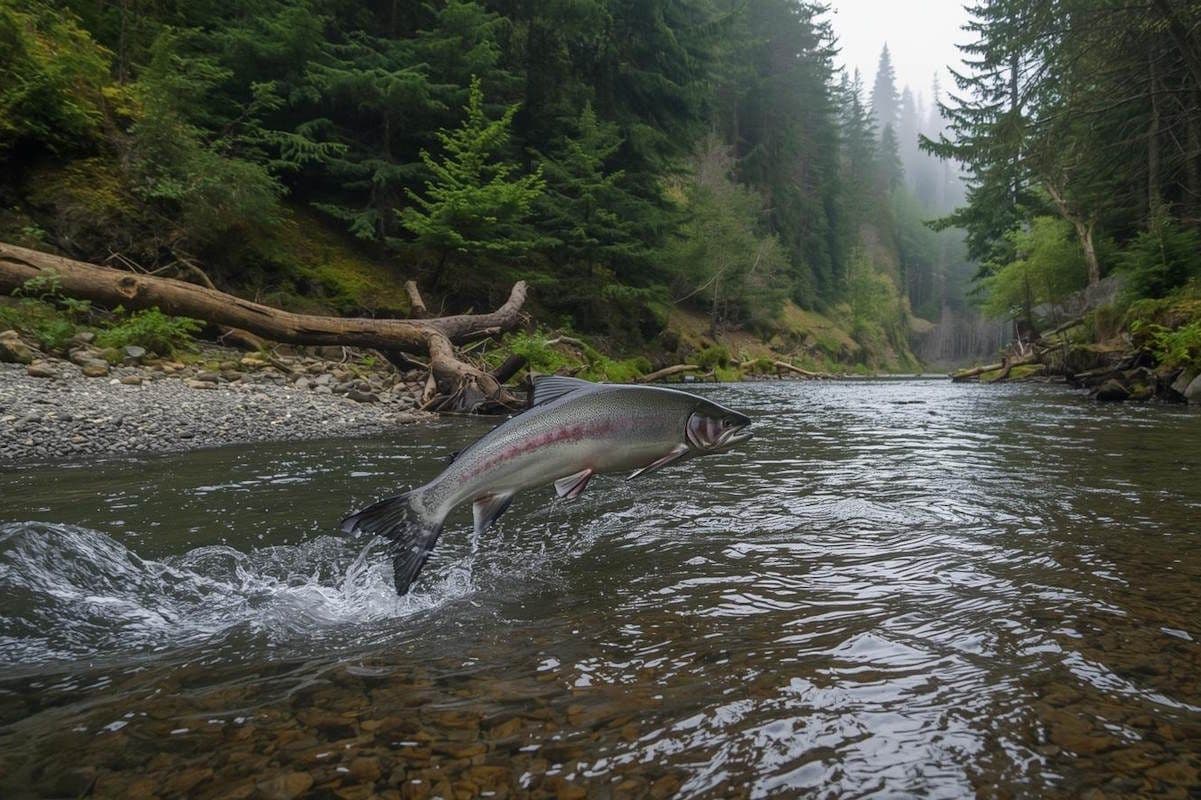
Salmon possess an impressive ability to navigate back to their natal streams, guided by their sense of smell. They memorize the unique chemical composition of their birthplace and use these olfactory cues to retrace their path. As they migrate, salmon undergo dramatic physical transformations. Chinook salmon, for instance, darken in color and develop hooked jaws, while Coho salmon display striking color changes. These physical changes indicate reproductive readiness. During this journey, feeding ceases entirely – they depend solely on their stored energy reserves to complete the migration and spawning process.
Spawning Process and Ecosystem Benefits
Female salmon play a crucial role in the spawning process by creating nests, known as redds, in gravel beds to protect their eggs. Chinook females tend to dig larger redds and deposit more eggs, while Coho females are more selective, laying eggs in smaller, carefully chosen nests. Once spawning is complete, most adult salmon die, but their deaths are far from the end of their ecological contribution.
The decomposing bodies of these salmon release nutrients like nitrogen and phosphorus into the water, enriching the ecosystem. This nutrient boost supports aquatic insects, plants, and riparian vegetation, helping to sustain the productivity of streams that are often nutrient-poor. In this way, salmon not only perpetuate their species but also nourish the environment they leave behind.
Modern Conservation Challenges
While the spawning process is a natural marvel, it faces increasing threats in the modern world. Habitat loss caused by dam construction and the warming effects of climate change have disrupted access to traditional spawning grounds. Reduced water levels add another barrier, making it harder for salmon to reach their nesting sites.
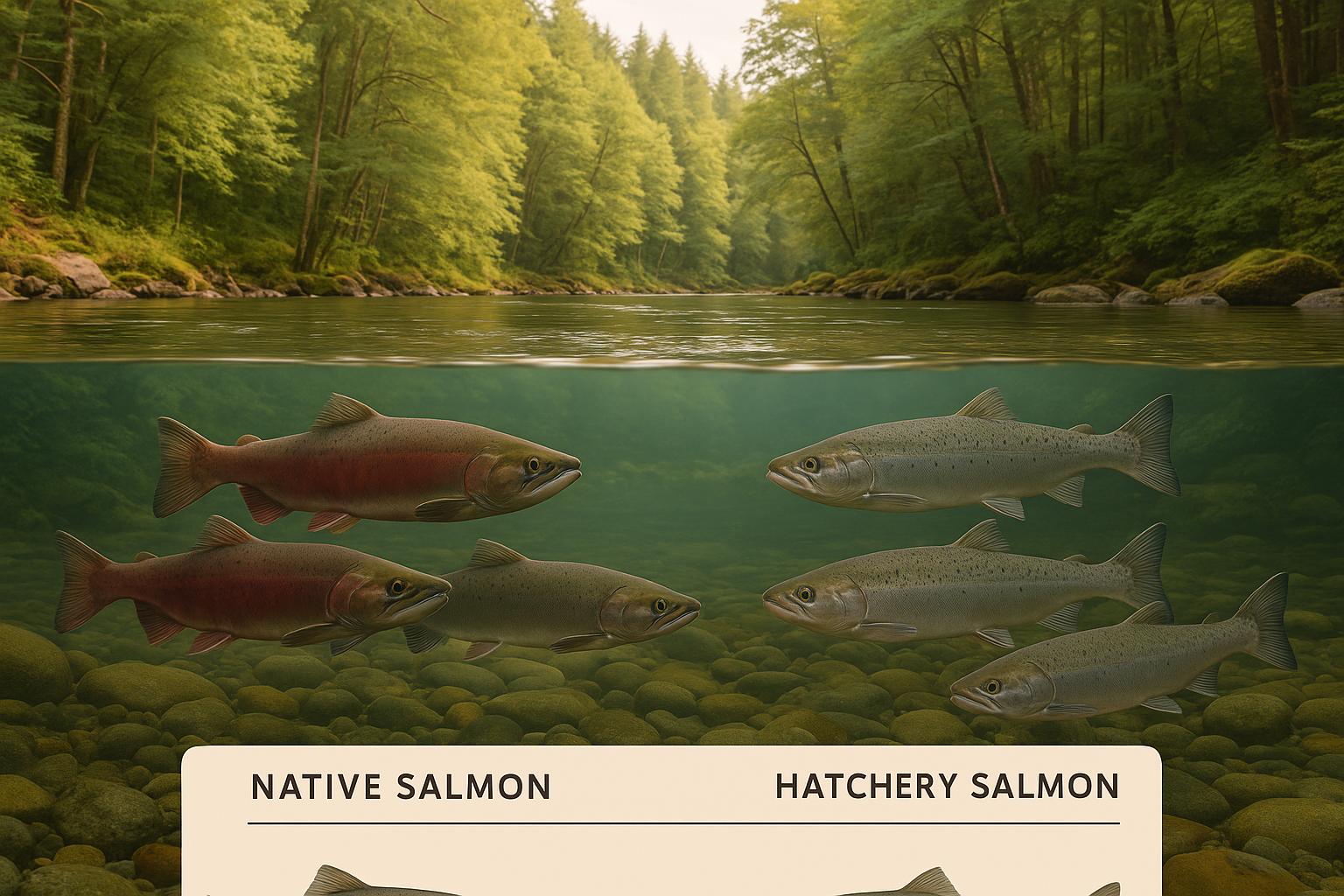
Overfishing and hatchery programs pose additional challenges. Hatchery-raised salmon often lack the genetic diversity and survival skills of their wild counterparts, which further complicates conservation efforts. However, initiatives like habitat restoration and dam removal projects, such as those on the Elwha River, are helping reconnect salmon with their ancestral spawning areas. Improved water management practices, including regulated flow levels, aim to ensure suitable conditions for migration and spawning.
These challenges highlight the importance of sustainable fishing practices and habitat protection. Each successful salmon run is not just a testament to nature’s resilience but also a reminder of the critical need for ongoing conservation efforts to safeguard both salmon populations and the ecosystems that rely on them.
Fishing Tips for Salmon
Knowing the different stages of a salmon’s lifecycle can give you an edge when planning your fishing trips. By aligning your approach with their natural behavior, you not only improve your chances of success but also contribute to conservation by fishing responsibly. Timing is everything, and understanding when and where to fish is key.
Best Timing and Locations for Salmon Fishing
Spring (March–May):
As spring arrives, Chinook salmon – often called "Springers" – begin their runs in rivers like the Columbia, Klamath, and Sacramento in the Pacific Northwest. If ocean fishing is your preference, opportunities open along the Oregon and California coasts, with specific dates in March and April for the Columbia River. Alaska also offers prime King Salmon fishing starting in May, which continues through July. As the season transitions into summer, salmon activity evolves, presenting fresh opportunities.
Summer (June–August):
Summer is prime time for salmon fishing, with runs peaking from Alaska down to Washington. In Washington, ocean fishing seasons for both Chinook and Coho salmon kick off in June and extend through September. August 1 marks the opening of the famous Buoy 10 fishery in the Lower Columbia River, a hotspot for fall Chinook and Coho salmon. These summer runs set the stage for the intense activity that autumn brings.
Fall (September–November):
Fall is when salmon fishing reaches its peak. Chinook salmon flood rivers from Alaska to Northern California and even the Great Lakes. The Sacramento River is a standout for its fall Chinook runs, while rivers like the Columbia and Skagit in Oregon and Washington remain active into November. In the Midwest, Michigan and Wisconsin see peak Chinook activity during September and October.
Winter (December–February):
Even in winter, salmon fishing opportunities persist. Late-run Chinook can still be found in rivers in southern Oregon and Northern California. Meanwhile, Washington’s Puget Sound offers year-round fishing for juvenile Chinook, also known as "Blackmouths", making it a reliable winter option.
Conclusion: Salmon Lifecycle Knowledge for Anglers
Gaining a deeper understanding of the salmon lifecycle can transform the way you fish, turning it into a more strategic and rewarding experience while also supporting conservation efforts. Each stage of the salmon’s journey – from the delicate egg to the resilient returning adult – offers valuable insights that can refine your approach and help preserve these incredible fish for future generations.
For example, knowing the timing of migrations and seasonal movements can help you plan your fishing trips more effectively. Smolts begin their migration as part of their natural development, while adult salmon follow seasonal patterns that you can align your efforts with. By working with these rhythms, you not only improve your chances of success but also engage more harmoniously with the natural world.
This awareness goes beyond personal gains. Salmon play a vital role in their ecosystems, acting as a keystone species that supports over 130 other animals, including Orca whales and Grizzly Bears, by delivering marine nutrients to freshwater habitats. Healthy salmon populations mean thriving ecosystems, creating the conditions for the kind of fishing trips that leave lasting memories. Additionally, as indicator species, salmon reflect the overall health of river ecosystems, making their well-being a sign of environmental balance.
Practicing sustainable fishing is another way anglers can contribute. Following size and bag limits, respecting seasonal closures, and adhering to regulations not only ensures healthy populations but also directs funding from license fees toward conservation initiatives. These science-backed measures protect young salmon that haven’t spawned yet and safeguard breeding adults, helping to maintain robust populations.
FAQs
How do water temperature and quality affect the survival of young salmon?
Water temperature and cleanliness are key factors in ensuring the survival of young salmon during their earliest stages of life. Cold, oxygen-rich water is essential for healthy egg incubation and growth, while temperatures exceeding 56°F can drastically lower embryo survival rates. On top of that, poor water quality – whether from high pollutant levels or an overabundance of fine sediments – can further strain salmon by reducing oxygen levels and increasing the risk of mortality, particularly for eggs and alevin.
These environmental pressures can leave a lasting mark on salmon populations, underscoring the importance of preserving clean, cool waterways to support their development.
How do the ocean behaviors and diets of Chinook and Coho salmon differ, and what does this mean for fishing strategies?
Chinook salmon are famous for their bold feeding habits, favoring larger prey like herring, anchovies, and rockfish. This protein-packed diet fuels their rapid growth and impressive size. They’re most active around dawn and dusk, making these times prime opportunities for fishing. To catch Chinook, anglers typically rely on larger bait and lures designed to match their appetite.
Coho salmon, on the other hand, prefer smaller fish such as herring, sand lance, and sardines. Their diet shifts with the seasons and their location, which also affects their growth and behavior. Coho are more opportunistic feeders, so successful fishing often involves using smaller bait and carefully timing efforts to match their feeding patterns.
Recognizing these differences allows anglers to tailor their techniques for each species, boosting success rates while promoting responsible fishing practices.
How can anglers help protect salmon populations while enjoying their fishing trips?
Protecting salmon populations requires a mix of thoughtful conservation strategies and mindful fishing practices. Efforts like restoring natural habitats, improving fish passageways (such as dams and culverts), and managing fisheries with care are essential to maintaining healthy salmon numbers.
Anglers play a crucial role by adopting responsible fishing habits. This includes following catch-and-release guidelines, respecting size and bag limits, and avoiding practices that could harm the fish or their environment. Beyond fishing, getting involved in local initiatives – like river habitat restoration or removing invasive species – can have a direct and positive impact on salmon ecosystems. Supporting policies and programs aimed at safeguarding salmon habitats ensures these remarkable fish can thrive for generations to come.