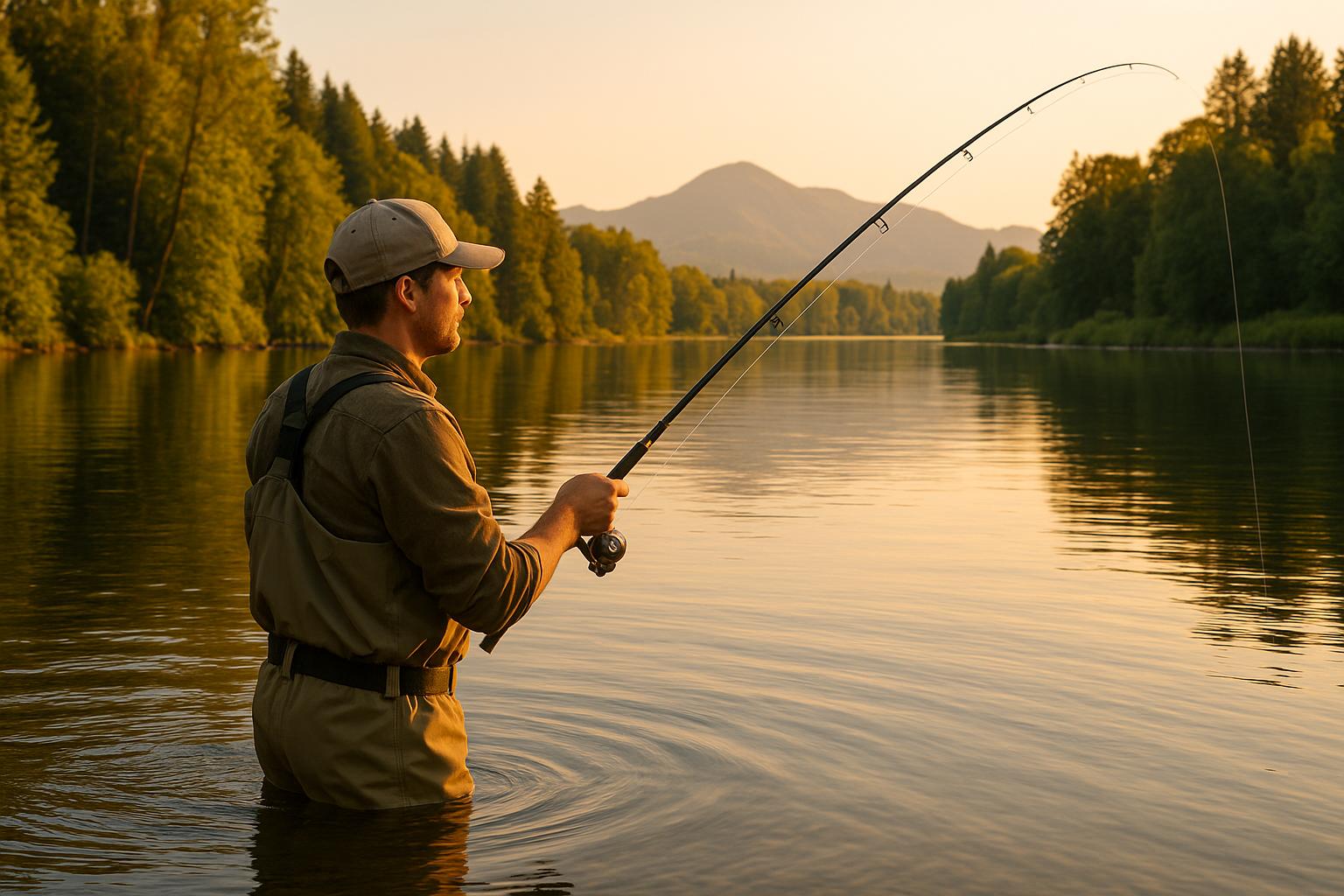
Oregon is one of the best places in the U.S. to fish for Chinook salmon. These powerful fish can weigh over 50 pounds, but catching them requires more than just luck. To improve your chances, focus on these five tips:
- Fish in the right spots: Popular locations include the Columbia River, Rogue River, and coastal rivers like the Chetco and Siletz.
- Time your trip well: Spring, summer, and fall runs differ by location. Pay attention to water temperatures and seasonal patterns.
- Use the right gear: Medium-heavy rods, strong reels, and bait like herring or spinners work best.
- Master key techniques: Trolling, drift fishing, and plunking are effective methods depending on the water and season.
- Follow regulations: Stay informed about permits, bag limits, and area closures to fish responsibly.
"How To" Bank Fishing For Spring Chinook Salmon | Big River Tactics
Find the Best Chinook Salmon Fishing Spots in Oregon
Oregon’s waterways are a haven for Chinook salmon fishing. Success often depends on knowing the best spots and understanding when to fish. Whether you’re drawn to rivers, coastal areas, or estuaries, each setting offers unique opportunities for techniques like trolling, drift fishing, or plunking. Let’s dive into some of the top locations, seasonal patterns, and essential permits you’ll need.
Top Fishing Locations
The Columbia River is a standout destination for Chinook salmon. The lower section, particularly near Rooster Rock State Park, is ideal for both boat and bank fishing.
The Rogue River, known for its stunning scenery, boasts consistent Chinook runs. The lower stretches, especially around Gold Beach and Agness, see both spring and fall runs, with fall often producing the bigger catches.
Oregon’s coastal rivers are another great option. The Chetco River near Brookings is famous for its impressive fall runs, while rivers like the Siletz, Alsea, and Nehalem provide excellent access for both boaters and bank anglers.
For those who prefer river fishing, the Willamette River system is a top pick. Its tributaries, including the McKenzie and Santiam Rivers, are prime spots for spring Chinook fishing, offering clear waters and steady conditions.
Seasonal Run Timing by Location
Timing is everything when it comes to Chinook fishing.
- Spring runs typically kick off in March and hit their peak from April through June. The Columbia and Willamette River systems are particularly active during this time.
- Summer runs are more localized, often concentrated in parts of the Columbia River system.
- Fall runs are the most abundant and draw anglers to coastal rivers, which usually see peak activity from early fall through November. The Columbia River also offers solid opportunities into the early fall months.
Chinook movement is influenced by water temperatures, and moderate conditions are ideal. Coastal rivers, with their more stable temperatures, often provide reliable fishing even when other areas see fluctuations.
Permits and Area Closures
Fishing for Chinook salmon in Oregon requires a valid Oregon fishing license, and some areas – like sections of the Columbia River system – may need additional permits or endorsements. Full details, including permit fees, can be found on the Oregon Department of Fish and Wildlife website.
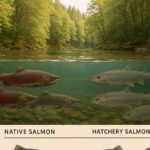
Area closures are common and are designed to protect fish populations during critical periods like spawning. For example, parts of the Rogue and Chetco Rivers may be off-limits during peak spawning times. Regulations often differentiate between hatchery and wild Chinook, with rules requiring the release of wild fish while allowing the retention of hatchery fish.
Before heading out, always check for updates on regulations or emergency closures. Staying informed about permits, closures, and tribal fishing rights ensures your trip is both enjoyable and compliant. Pair this knowledge with the peak run windows mentioned above, and you’ll be set for a productive day on the water.
Time Your Fishing Trip for Peak Chinook Runs
Picking the right spot is important, but timing your trip to align with peak Chinook salmon activity can make all the difference. These salmon follow predictable migration patterns influenced by water conditions and seasonal shifts, which directly impact their feeding habits.
Spring, Summer, and Fall Run Windows
Spring is a great time to fish for Chinook salmon. After thriving on nutrient-rich food in the ocean, these fish are usually stronger and more active. During the summer, Chinook tend to be smaller and more selective, often seeking out cooler tributaries to escape the heat.
Fall offers some of the best fishing opportunities, especially in Oregon’s coastal rivers. During this season, Chinook return from the ocean, ready to spawn. Their increased feeding activity makes them more likely to bite, giving anglers plenty of chances to reel in a catch.
To maximize your success, it’s also important to factor in local water temperatures and flow conditions.
Water Temperature and Flow Impact
Chinook are most responsive when water temperatures are moderate. Extreme heat or cold tends to make them less active. Similarly, river flow plays a big role in their behavior. Moderate currents help carry scents and create ideal fishing conditions, while extreme flows – whether too fast or too slow – can disrupt their typical patterns.
If you’re fishing in coastal areas, keep an eye on the tides. High tide often pushes baitfish and nutrients upstream, which can trigger feeding frenzies among Chinook salmon.
Monitor Current Fishing Reports
Real-time information is key to fine-tuning your timing. Local fishing reports provide updates on water conditions, fish activity, and recent catch rates. You can find these reports through state agencies, local bait and tackle shops, or online forums dedicated to Oregon salmon fishing.
Paying attention to weather patterns and changes in barometric pressure can also help you plan your trip to coincide with peak Chinook activity. Staying informed ensures you’re in the right place at the right time.
Choose the Right Gear and Bait for Oregon Chinook
Once you’ve nailed down the best time and location, having the proper gear is crucial for a successful Chinook fishing trip. These salmon are strong and can put up an impressive fight, so your equipment needs to handle their power while still being sensitive enough to detect even the slightest bites. The trick is tailoring your setup to the specific conditions you’ll face.
Rod, Reel, and Line Setup
For Chinook fishing, a medium-heavy to heavy action rod (8.5–10.5 ft) is your best bet. It provides the control, casting distance, and leverage needed to handle these powerful fish.
Pair your rod with a reel featuring a smooth drag system rated for 15–30 lb pressure. This ensures it can handle the force of a Chinook’s strong runs.
When it comes to line, go with 15–25 lb monofilament for its stretch and durability. Add a 12–20 lb fluorocarbon leader for its invisibility in water and resistance to abrasion. If you’re fishing in rocky areas, opt for a heavier leader to prevent break-offs. Keep in mind, places like the Columbia River and coastal jetties can quickly wear down lighter tackle.
Best Bait and Lure Options
Choosing the right bait and lures can make all the difference. Here are some top recommendations:
- Fresh herring: Cut it at a 45° angle behind the gills to create a natural spinning action that Chinook find irresistible.
- Spinners: Blue Fox or Mepps spinners (sizes 4–6) in silver or gold are great for mimicking injured baitfish.
- Kwikfish, Flatfish, or Hot Shots: Use bright colors like chartreuse, orange, or pink in murky water. For clear water, stick with natural tones like silver, blue, or green.
- Shrimp: Sand or ghost shrimp are excellent choices for coastal rivers, especially in winter and spring. Drift-fish or plunk them in deeper holes for the best results.
- Salmon or steelhead roe: Cure the roe with borax or curing salts, and use pink or orange shades to increase your chances of a strike.
Legal Gear Requirements
Always stay up-to-date with Oregon’s fishing regulations to avoid any trouble. Here are a few key rules to keep in mind:
- In certain areas, barbless hooks are mandatory. You can either buy barbless hooks or modify existing ones by crushing the barbs.
- Some waters require single-point hooks, while others allow treble hooks. Double-check the rules for your fishing spot.
- Be aware of bait restrictions and weight limits in specific areas, which are designed to protect wild salmon populations. Carry a copy of the current Oregon fishing regulations with you to ensure compliance.
sbb-itb-c29b239
Use Proven Chinook Fishing Techniques
If you want to reel in more Chinook in Oregon waters, using reliable techniques is essential. Chinook behavior changes depending on the water conditions, season, and location, so knowing how to adapt is key. By combining the right methods with smart gear choices and a solid location strategy, you can improve your success rate.
Trolling, Drift Fishing, and Plunking Methods
Trolling is a go-to method for larger rivers like the Columbia or along the coast. To get your lure into the Chinook strike zone – typically 15-40 feet deep – use a downrigger or diving planer. Keep your trolling speed steady at 2-3 mph, with your lure trailing 100-150 feet behind the boat. This technique is particularly effective when fish are scattered or when you’re exploring unfamiliar waters.
Drift fishing works best in smaller rivers such as the Sandy, Clackamas, and Deschutes. Cast upstream at a 45-degree angle and let your bait drift naturally with the current. The key is achieving a dead drift, where your bait moves seamlessly with the water flow, mimicking natural prey.
Plunking, also known as still fishing, is ideal for deeper holes and slower currents. Find a spot 8-15 feet deep with steady flow, cast your rig, and let it sit. Use enough weight to keep your bait in the strike zone without dragging it along the bottom. This method is especially effective during low-light times like early morning, late evening, or overcast days when Chinook are more active in feeding areas.
Back-bouncing combines elements of drift fishing and plunking. Drop your weight to the bottom, then lift and lower your rod rhythmically to create a bouncing motion downstream. This action can trigger strikes from fish resting in deeper waters.
How to Read Water and Find Fish
Knowing how to read the water can make all the difference in finding Chinook. Look for transition zones where fast-moving water meets slower currents. These areas act as natural feeding lanes where salmon can rest and wait for food.
Deep holes and pools, especially those 8-20 feet deep, are prime spots. Chinook often use these areas to rest during their migration and prepare for tougher upstream sections.
Pay attention to structures like fallen trees, boulders, bridge pilings, or undercut banks. These create current breaks and shelter where salmon like to hold. Focus on the downstream side of these features, where the current forms an eddy.
Watch for temperature breaks or changes in water color. During warmer months, Chinook tend to gather near cooler tributary junctions, which offer higher oxygen levels.
In coastal rivers like those in the Tillamook Bay system, tidal influence is a big factor. The incoming tide often brings fresh saltwater and baitfish upstream, making it the best time to fish. The last two hours of the incoming tide and the first hour of high tide are particularly productive.
Adjust Techniques for Local Conditions
Fine-tuning your approach to match local water conditions can greatly improve your results. In high, muddy water, opt for bright-colored lures like chartreuse or hot pink and fish closer to the banks, where visibility is better. Use slower presentations and focus on inside bends with gentler currents.
For clear water, go with lighter tackle and natural-colored lures. Fish during low-light periods and target deeper holes where fish feel safer. A longer leader (3-4 feet) can help keep your line away from wary fish.
Fast, high water demands heavier weights and more aggressive presentations. Look for slack water behind boulders or in eddies, where salmon rest. Make sure your bait gets down quickly and stays in the strike zone.
Seasonal changes also play a role. Spring Chinook in rivers like the Willamette respond better to smaller baits and lighter tackle, while fall fish tend to be more aggressive and will hit larger offerings. During the summer in the Columbia, fish often hold deeper due to warmer surface temperatures, so adjust your presentation accordingly.
Lastly, be mindful of regulation-specific techniques. In areas requiring barbless hooks, set the hook firmly and immediately to avoid losing fish. Single-hook rules mean your bait presentation needs to be spot-on since you can’t rely on multiple hook points.
Keep an eye on water flow releases from dams, especially on regulated rivers like the Deschutes. Fish activity often picks up 2-3 hours after a flow increase, as it stirs up food and provides cover. On the other hand, dropping flows can concentrate fish in deeper pools, making them easier to target with plunking.
Follow Oregon Fishing Regulations and Conservation Rules
Oregon’s fishing regulations play a key role in protecting Chinook salmon and maintaining healthy fisheries. Just like picking the right gear or planning your trip, understanding and following these rules is essential for a successful and responsible fishing experience.
2025 Bag Limits and Size Rules
Bag limits, size requirements, and gear restrictions differ depending on the region you’re fishing in. Make sure to review the specific guidelines for your area before heading out. In some regions, you might also need extra permits or endorsements, which help fund vital projects like habitat restoration and fish monitoring.
Fish Handling and Conservation Tips
If you’re practicing catch-and-release, it’s important to follow local handling recommendations to reduce stress on the fish. For those keeping their catch, responsible harvesting ensures the long-term health of fish populations and supports sustainable fishing practices.
Check for Regulation Updates
Fishing regulations often change based on factors like fish population levels, weather patterns, and conservation priorities. To stay informed, visit the Oregon Department of Fish and Wildlife website for the most current updates. Many areas also provide mobile apps or email alerts to keep you updated with real-time information throughout the season. These tools make it easy to stay compliant while enjoying your time on the water.
Conclusion
To successfully catch Chinook salmon in Oregon, focus on these five key strategies. Fish in well-known hotspots like the Columbia River, Willamette River, and coastal regions during peak seasons. Keep an eye on water temperatures and fishing reports to stay informed. Equip yourself with the right gear – such as a reliable rod, reel, line, and bait like herring or trusted lures – and use techniques like trolling, drift fishing, or plunking to adapt to changing conditions. Always follow Oregon’s fishing regulations to ensure you’re fishing responsibly and supporting the preservation of Chinook populations.
FAQs
When is the best time to fish for Chinook salmon in Oregon, and how do the seasons impact your chances?
The prime times to fish for Chinook salmon in Oregon are during the spring run, which spans from mid-March to early April, and the summer and fall runs, lasting from June through October. Fishing tends to be most productive between June and September, as this is when the salmon are actively making their way upstream.
Factors like water temperature, river flow, and rainfall significantly influence fishing success. Spring runs thrive in the cooler waters of the season, while summer and fall runs pick up as rising water levels and warmer temperatures encourage salmon activity. Keeping an eye on weather patterns and water conditions can greatly improve your chances of a successful catch.
What gear and bait work best for catching Chinook salmon in Oregon’s rivers, lakes, and coastal waters?
When fishing for Chinook salmon in Oregon, it’s best to gear up with an 8’6" to 10’6" medium-heavy rod, paired with either a spinning or casting reel. For your line, go with a 6-12 lb monofilament or braided line, adjusting based on water conditions and your personal fishing approach. For lures, spinners and spoons work wonders, especially when retrieved slowly along the bottom.
If you’re using bait, anchovies and herring are excellent for trolling in coastal waters. In freshwater, salmon eggs and sand shrimp tend to yield great results. Depending on the season and location, you might also have success with cured eggs, squid, or tuna. Just make sure to check the local fishing regulations to stay on the right side of the rules regarding bait and gear.
What are the rules and regulations I need to follow when fishing for Chinook salmon in Oregon?
To fish for Chinook salmon in Oregon without breaking the rules, it’s crucial to stay updated on the latest regulations. These include daily bag limits, minimum size requirements, and specific seasonal guidelines. For instance, there are restrictions on how many Chinook you can keep each day, and the minimum size can vary based on where you’re fishing. Additionally, during certain periods, such as late September through October, only hatchery coho may be kept in designated areas.
Be sure to use barbless hooks and steer clear of restricted zones like conservation areas. If you catch a Chinook that’s undersized, protected, or caught out of season, release it immediately. Keeping up with local regulation updates not only ensures you’re fishing responsibly but also plays a role in protecting salmon populations for the future.